How to pull wire into an existing wall? How do you run wires in walls? The most common cable management systems conceal wires behind molded plastic raceways that run along the walls and baseboard. While these can clean up things immensely, there are other slightly more involved but still easy to install systems that allow the cables to be run behind walls.
The kit used in this guide is the CE TECH cord and cable kit. Going through studs is difficult with thick wire like HDMI cables. You would probably be best to cut the drywall away where the wires will go and patch up the drywall after.
Call the cable company. Have someone knowledgeable do the installation. Learn how with this video. For more in depth informatino about running fish wire and cable through walls please. Fishing wires through a wall can be tedious, but in most cases, you only need a couple of basic tools.
Before you begin, make sure you have the necessary permits to install new branch circuitry and. At that point, you’re making modifications to the structure of the house itself and can run afoul of electrical and fire codes. At best, this could mean trouble the next time you get an inspection (like when you sell your home).
Do this twice–one down by the baseboar and one up by the TV’s wall mount bracket. Make sure these holes are directly in-line with each other, in the same stud bay. Otherwise it will be difficult or impossible to run the cables.

Take your drywall hand saw and cut the rectangular holes out. Drill a new hole, and keep the new low-voltage wire several inches away from electrical cables. Fish cables through existing walls with fish tape or a fish stick.
Terminate the cables in low voltage electrical boxes. This is useful for short (under 5ft) cable runs through the wall. It also makes it easier to change out cables as needed and ensures a clean signal path because you are only using one cable to complete the run. Then, your run up to the jack can either be behind the wall (a short run that you should be able to fish relatively easily) or just up the wall (home improvement stores have cable channels to help tidy this up).

A third option for exterior walls is to run it in conduit on the outside of the home. Once the grommet is installed and tightene you can start snaking the cables through. This will either go very easy (in an uninsulated wall) or take some time using the included cable snake. I snaked three HDMI cables , two component cables and some USB cords through, and the whole setup looks great. Electrical wiring in the home is usually located in ceilings and attics, under floors and through interior walls.
Running wires through interior. Cable may be bringing your Internet connection. It may be supplying the endless channels of digital cable. Know what is behind the wall before you run cables. Avoid running power cables inside walls ! You can run low voltage and other cables in bundles.
Inspect your cables before you run them. Choosing Walls : Whenever possible, run your wiring through interior walls , since exterior walls contain bracing and insulation. Start by taking some time to consider the best location for the new wire. Cables often must be bent, slithered and coaxed around stud spaces and through small holes in the framing. Like fishing for your dinner, threading cables in walls takes some patience and some estimation of what lies below the surface.
Flexible cords and cables shall not be used for the following: (1) As a substitute for the fixed wiring of a structure (2) Where run through holes in walls , structural ceilings, suspended ceilings. Install coaxial cable (cable TV or satellite TV cables ) concealed in wall spaces from non-living spaces above or below. Cables can also be buried in a 150mm band running up the corner of each wall and also a 150mm band horizontally at the top of the wall - safe zones.
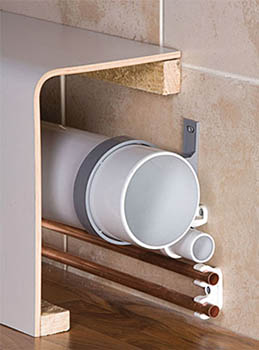
Cables can be diagonal but they should be deeper than 50mm or protected by steel.


No comments:
Post a Comment
Note: only a member of this blog may post a comment.